The Monococco: History, Benefits and Future of an Ancient Grain
[ad_1] Imagine walking in a sunny countryside, the fresh air carrying the scent of ripe wheat. You stop and see a vast field of golden ears. But here comes the so

Imagine walking in a sunny countryside, the fresh air carrying the scent of ripe wheat. You stop and see a vast field of golden ears. But here’s the surprise: they are not the conventional modern varieties, but rather beautiful ears of monococco. Have you ever wondered why this ancient grain is experiencing a second life?
The monococco, also known as Triticum monococcum, is one of the very first varieties of wheat cultivated by humans. Its history is fascinating and, above all, its rediscovery in our days is changing the way we think about food and health.
Why It Matters
In a world where everything is fast and “ready to use”, monococco emerges as a symbol of biodiversity and sustainability. But it’s not just a pretty sight: its nutritional benefits are exceptional. If you’ve ever felt heavy after a wheat-based meal, you might find that monococco has a different impact on your body.
Until a few years ago, you would never have thought you could eat something so genuine. Now, however, thanks to the growing demand for healthier and more sustainable foods, it is making a comeback. And do you know what? This grain is not just a product of history, but a true superfood of the future! ????
The History of Monococco
Monococco was one of the first cereals cultivated around 10,000 years ago in the Middle East. If you think that the bread we eat today comes from a “modern” ancestor, you are mistaken. The current version of wheat is the result of centuries of artificial selection. But monococco has retained many of its original traits.
A fun anecdote: some modern farmers report having discovered monococco plants in more “conventional” wheat fields, an unexpected sight and a testament to surprising resilience.
This grain has travelled through time, crossed cultures, and evolved, always maintaining a connection to its origins. In many peasant traditions, monococco was used not only for bread but also for the preparation of traditional dishes, such as polenta. Its versatility made it a valuable food even in times of famine.
Nutritional Benefits
Now let’s talk about what makes monococco so special. First of all, its protein content is higher compared to modern grains. This makes it an excellent choice for those seeking a richer and more nutritious diet. But there are also other advantages:
- Low gluten content: Many people with mild gluten intolerances find monococco more tolerable.
- Small fibres: A high amount of fibre aids digestion and regulates intestinal transit.
- Natural antioxidants: The antioxidants present help combat free radicals, supporting overall health.
Isn’t it surprising? This grain can play a key role for those who want to stay fit and feel good. You can use it to make bread, pasta, or even delicious desserts. Imagine savouring a soft and fragrant focaccia made with monococco flour… what a delight! ????
The Practice: How to Use It
If you feel like venturing into the kitchen with monococco, here are some practical tips:
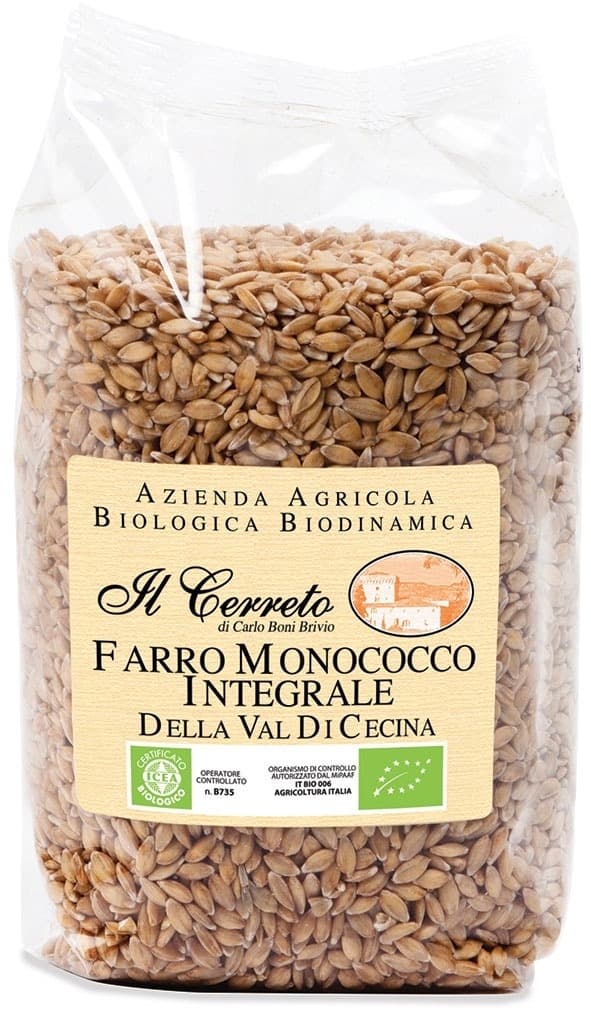
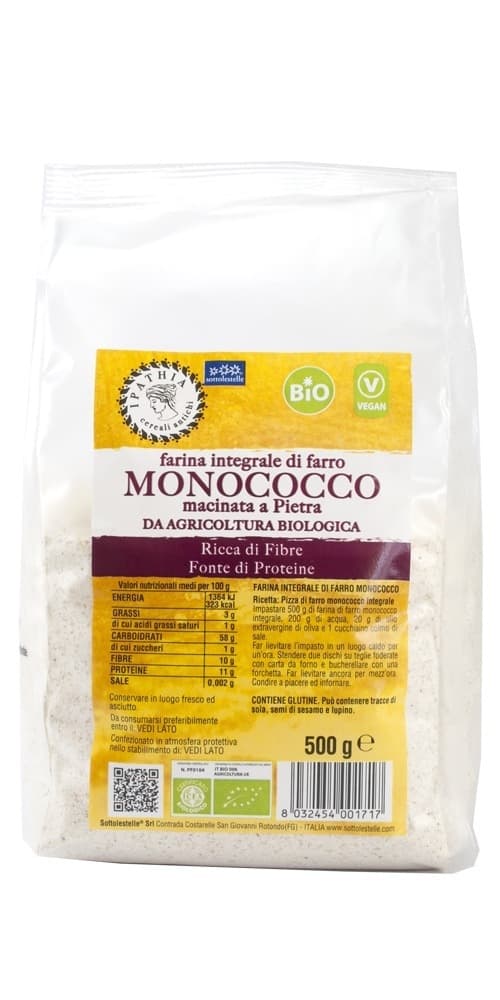
- Buy Monococco Flour: You can find it in organic food stores or online.
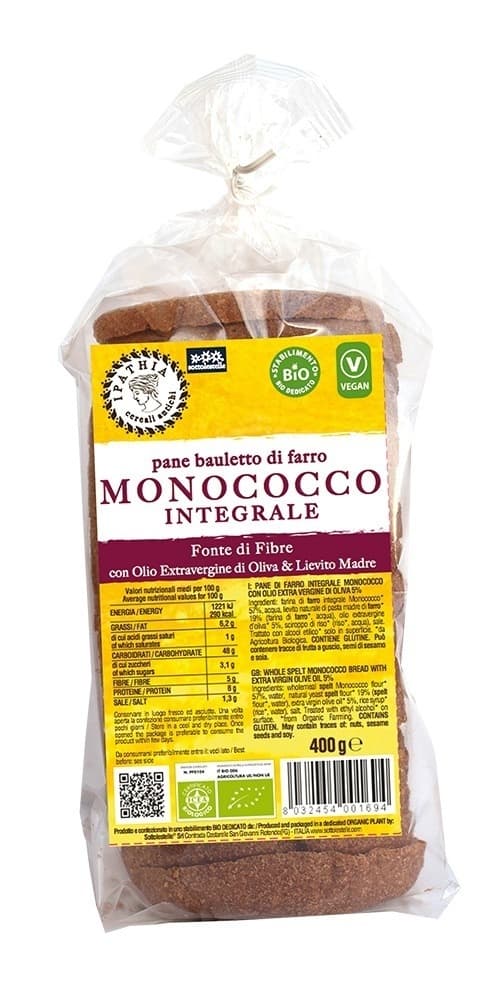
- Try Making Bread: The recipe is simple. Mix flour, water, yeast, and a pinch of salt. Let it rise and then bake. Easy, right?
- Pay Attention to Baking: Due to its lower gluten content, monococco bread may turn out denser. Add a bit more water or mix it with more traditional flours to improve its structure.
Here’s a common mistake: don’t let it rise too long! Better one hour, if not two. More yeast doesn’t always mean more flavour, in fact.
Curiosities and Surprises
An interesting curiosity concerns its adaptability. Monococco grows well in arid and difficult soils, making it an eco-friendly grain in times of climate change. This makes it an important resource for sustainable agriculture.
And that’s not all: there are studies suggesting that monococco could have potential in strengthening agricultural biodiversity. When planted with other varieties, it seems to help maintain the balance of ecosystems. Wouldn’t it be fantastic to eat deliciously while also helping the planet? ????
Now think of all the times you preferred refined flours. With monococco, you have the chance to return to an ancient culinary tradition, rich in flavours and beneficial for the body. It’s a small step, but it can make a difference.
A Sustainable Future
The future of monococco is bright. More and more companies and farmers are recognising the value of this grain. The rediscovery of monococco fits into a broader context of sustainability and health awareness.
Have you ever thought about supporting local producers? Choosing monococco also means supporting artisanal agriculture and preserving endangered wheat varieties. Every time you buy products made from monococco, you send a clear message: we care about the FUTURE.
So should we return to our roots? Not before savouring every bite! Plan a weekend dedicated to recipes with monococco and propose a family evening. Bet you’ll win everyone over?
Monococco represents not just a recipe with an ancient flavour, but a new path to a healthier life connected to the earth. Remember, the choices we make at the table can change the world around us. And you, are you ready to try? ????
The art of bread-making? It starts here, among the golden ears of monococco!