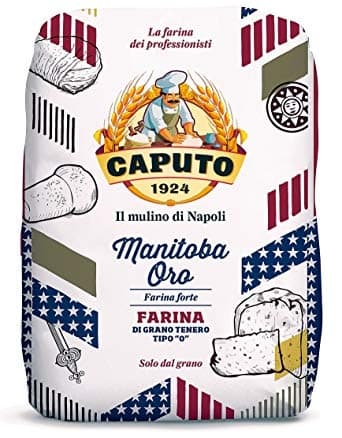
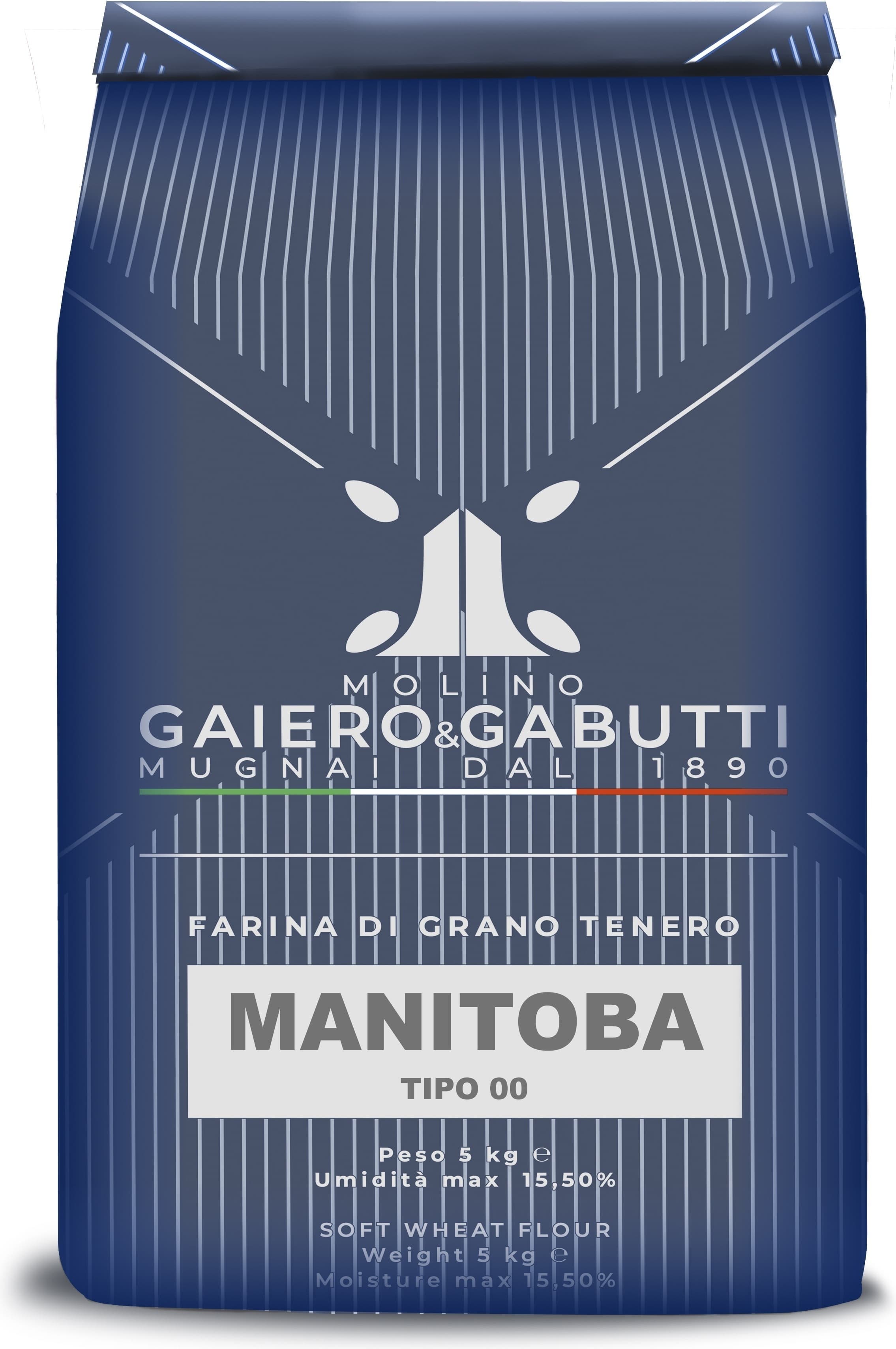
Manitoba Flour: General Characteristics
[vc_row][vc_column][vc_column_text]Manitoba flour is used for the preparation of baked goods such as cakes, pizzas, and biscuits. However, this type of flour has some deficiencies

[vc_row][vc_column][vc_column_text]The Manitoba flour is used for the preparation of baked goods such as cakes, pizzas, and biscuits. However, this type of flour has some deficiencies from a health and nutritional point of view. These are due to the place where the wheat grains grow. But let's find out more about this type of flour that contains a higher gluten content but ensures the success of many recipes.
Influences of the Growing Location
The Manitoba flour comes from North America, specifically from Manitoba in Canada, from which it takes its name. There, the temperatures are decidedly harsh, which does not allow the wheat that grows to survive. But despite this, the Triticum Aestivum, by adapting, has managed to survive in such a hostile territory. Botanically speaking, in fact, the plant is the same as that used to produce 00 flour. However, it is necessary to make a clarification. Not all flours labelled as Manitoba are necessarily produced in Canada; in fact, in supermarkets, this name is often used to refer to all types of strong flours.Difference Between Manitoba Flour and 00 Flour
The nutritional differences between Manitoba flour and 00 flour are few. In the former, 00, we have 73% carbohydrates, while in Manitoba, it is 70%. Furthermore, fibres and fats are present in almost the same quantities.[/vc_column_text][/vc_column][/vc_row]farinafarina manitobafarineproprietà